

Clean symbiotic energy
Photosynthesis is the process by which plants use solar energy and is the core of our biocarbon technology conversion. This indirect solar-powered source of biocarbon allows us to absorb carbon dioxide from the air, helping to create a healthier environment.
To further our sustainability commitments, we actively collect agricultural and forestry materials and then use them through gasification to produce biochar and synthesize clean synthetic gas. This clean gas is then used as fuel to generate electricity, reducing our reliance on traditional fossil fuels and minimizing our carbon footprint.
By prioritizing the use of renewable resources and applying innovative technologies, we strive to play an important role towards a greener and more sustainable future. Join us in our pursuit of a cleaner, brighter world.

Biomass energy gasification gas
Already at the end of the nineteenth century, converting biomass energy into flammable gases was a common practice. Paris, the first city in Europe to have street lights, was already known as the "City of Light" because of its use of similar technology. Even during World War II, German weapons and equipment often relied on gasified fuel as driving energy.


Advantages of biocarbon gasification energy
-
Continuous operation, day and night
-
Not affected by weather conditions
-
Requires relatively small land area
-
No by-products or waste are produced
-
Environmentally friendly and sustainable
示範場域100kw


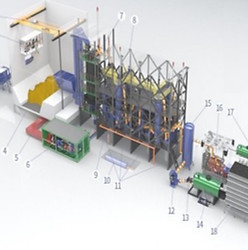


Biocarbon gasification energy distributed microgrid
Distributed biocarbon gasification power generation microgrid is the best symbiotic clean energy solution that can provide base load power in addition to current solar and wind energy.